Research

Research at EndoRotterdam

Clinical and fundamental research at EndoRotterdam is organized within four complementary groups, each addressing key aspects of endocrine health and disease.

  • 03/04/2026
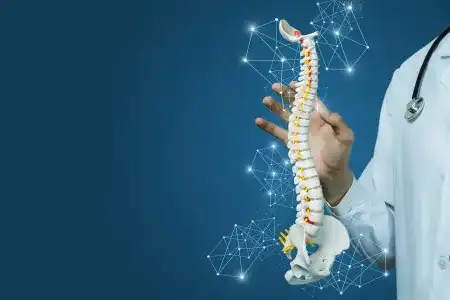
    Bone diseases Group

    The Bone diseases group has the following complementary key objectives:

    • Fundamental research to identify cellular and molecular mechanisms that underlie bone and joint diseases.

    • Population genomics to refine risk assessment through molecular characterisation.

    • Erasmus MC Bone Center1 to enable healthcare providers to make more informed decisions and deliver tailored treatments and prevention strategies that are better suited to the individual genetic profiles of patients.

    The aims related to fundamental research are to understand the cellular and molecular mechanisms that underlie bone regeneration, to understand the interplay of bone metastases with bone metabolism and to identify molecular mechanisms that underlie rare bone and mineral metabolism diseases. The specific aims related to population genomics include genomics-assisted medical decision-making, integration of genomic

    discoveries across population-based and clinical studies, utilisation of genomics to unravel disease mechanisms and innovative use of analytical methods and -omics databases. The group’s work related to the Erasmus MC Bone Center sets out to unravel the genetic and non-genetic background of rare and complex disorders, to develop novel biomarkers and diagnostic tools and to test novel treatments through

    clinical trials.

    The combined objectives of the Bone diseases research group enable a unique translational approach towards the understanding and treatment of both common and rare bone and joint diseases.


    Members

    • Head of laboratory:  Bram van der Eerden

    Principal Investigators:

    * Bram van der Eerden

    * Fernando Rivadeneira

    * Evert van Velsen

    * Marjolein van Driel

    * Jeroen van de Peppel

    * Carolina Medina-Gomez

    * Katarina Trajanoska


    Postdocs:

    * Kirsty Huininga 


    PhD students:

    * Samuel Ghatan

    * Tarsila de Moura Figueiredo

    * Vid Pratelij

    * Jiawei Li

    * Xinpeng He

    * Siwen Li

    * Li Chen

    * Nina Gerrekens

    * Haojie Lu

    * Yudong Zhao

    * Siyuan Ruan

    * Kai Hu

    * Filipa Madancos Duarte

    * Max Gijsbertsen

    * Yuan Guo

    * Zografia Zervou

    * Mengyuan Cai

    * Rebeca Hernandez Hernandez

    * Sybren van Hal

    * Rana Mabrouk


    Technicians

    * Marijke Koedam

    * Iris van den Berge

    * Jasmijn Erpelinck


    Master students

    Bachelor students
     

    Lees meer
  • 03/04/2026
    Endocrine Tumours Group

    The Endocrine Tumor Laboratory at Erasmus MC is an internationally recognized center for fundamental, translational, and clinical research in endocrine tumors, dedicated to improving the diagnosis, treatment, and long-term outcomes of patients with pituitary, adrenal, and neuroendocrine tumors. With a long-standing legacy in the field, the laboratory is one of the few centers worldwide with extensive expertise in culturing and functionally characterizing primary endocrine tumor tissues and advanced 3D tumor models.


    The laboratory integrates state-of-the-art multi-omics technologies—including genomic, epigenomic, and transcriptomic profiling—with innovative tissue culture systems and comprehensive patient characterization to elucidate the molecular mechanisms driving endocrine tumorigenesis, tumor progression, and hormone hypersecretion. A defining strength of the laboratory is its seamless integration of preclinical and clinical research, where molecular and functional discoveries rapidly inform investigator-initiated early-phase clinical trials. These efforts are supported by extensive biobanking initiatives and deeply phenotyped patient cohorts. The laboratory also plays a leading role in national and international collaborative networks advancing translational endocrine tumor research.


    Core research objectives include:
    • Elucidating the pathophysiological mechanisms underlying endocrine tumor initiation, progression, and hormonal dysregulation
    • Defining tumor–microenvironment interactions that shape immune modulation, stromal remodeling, and therapeutic response
    • Identifying molecular drivers of tumor growth, invasiveness, and hormone production
    • Discovering diagnostic, prognostic, predictive, and therapeutic biomarkers for endocrine tumors
    • Characterizing tumor response, resistance mechanisms, and sensitivity to targeted and systemic therapies
    • Uncovering and functionally validating novel therapeutic targets for precision medicine strategies
    • Advancing endocrine oncology through integrative multi-omics, AI-enabled analytics, and disease modeling platforms


    By integrating cutting-edge molecular and computational sciences with clinically driven investigation, the Endocrine Tumor Laboratory advances precision medicine strategies that improve patient outcomes and transform the clinical management of endocrine tumors.


    Members:
    • Head of laboratory: Eskeatnaf Mulugeta

    • Principal Investigators (PIs):


    * Hans Hofland
    * Richard Feelders
    * Sebastian Neggers
    * Julie Refardt
    * Layal Chaker
    * Wouter de Herder
    * Eskeatnaf Mulugeta

    • Postdocs:

    * Anand Iyer

    • PhD students:

    * Amber Audhoe
    * Angelique Savelberg
    * Eva van der Slik
    * Helena Vandenbalck
    * Hong Zhang
    * Jelka Kuiper
    * Maryam Mofid
    * Mickey Kerolles
    * Peifen Zhang
    * Romy van der Groef


    • Technicians:

    * Peter van Koetsveld
    * Fadime Dogan


    • Master students:

    * Mekayla Potgieter (Master molecular medicine program)

    * Fedde Dijkstra (master Nanobiology program)


    • Bachelor students:


    Lees meer
  • 03/04/2026
    Metabolism & Reproduction Group

    The Metabolism research group focuses on identifying the underlying causes of disorders in metabolism, with the overarching aim of developing patient-tailored treatment methods.

    The Metabolism research group has the following main aims:

    • Analysis and individualised treatment of obesity, with a special focus on monogenic and syndromal obesity.

    • Unravelling the interplay between glucocorticoid regulation (i.e. long-term glucocorticoid exposure, glucocorticoid receptor sensitivity) and the development of cardiometabolic diseases.

    • Unravelling the underlying mechanisms that contribute to the sex-specific interaction between cardiometabolic and gonadal function and dysfunction.

    • Understanding the cellular mechanisms that underlie premature ageing in patients with genetic disorders in metabolism.

    By bridging fundamental, translational and clinical research, this research group aims to gain insights into the causes of obesity and possible sex and ethnic differences therein, and they aim to develop individualised diagnostic and treatment monitoring tools based on patient characteristics. Their research takes place at the physiological, genetic, molecular and cellular level, using mouse and cell model systems (including induced pluripotent stem cells) and population cohorts. In addition, they use clinical data and material from patients with (genetic) disorders in metabolism and/or gonadal function, such as monogenetic obesity, polycystic ovary syndrome, Prader-Willi syndrome, Klinefelter syndrome, Turner syndrome and Disorders of Sex Development.

    Head of laboratory: Jenny Visser

    Principal investigators

    * Jenny A Visser
    * Elisabeth FC van Rossum
    * Laura De Graaff
    * Mariëtte Boon
    * Mesut Savas
    * Medina Gomez

    Postdocs

    PhD students

    Technicians

    Master students

    Bachelor students

    Lees meer
  • 03/04/2026
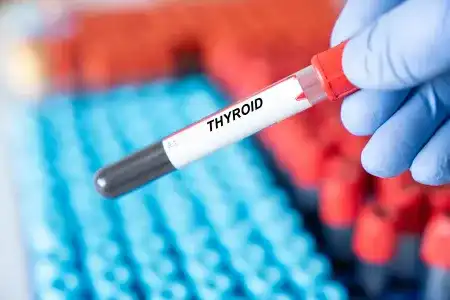
    Thyroid Group

    At the Erasmus MC Thyroid Center, we get excited about the thyroid gland and thyroid hormones. We strive to create impact by challenging current paradigms. Our research maps onto three themes with the explicit aim to create synergy:   

    Fundamental & translational research 
    We aim to elucidate new key players and mechanisms in normal and disordered cellular thyroid hormone signaling. We aim to develop new therapies for patients with common and rare thyroid disorders. 
     
    Genetic and epidemiological research  
    We aim to unravel determinants and effects of thyroid function and dysfunction utilizing (international) population-based cohorts ranging from pregnant women to the elderly. 
     
    Clinical research  
    We aim to improve clinical management for benign and malignant thyroid (and thyroid hormone signaling) disorders by investigating determinants of disease in international consortia as well as new diagnostics and treatments in observational studies and clinical trials. 
     
    Values 
    Where do we stand for? 
    We address truly relevant research questions.  
    We stimulate crazy ideas, while focussing and prioritizing to get projects done.  
    We foster a flat structure, enjoy a good atmosphere and seek a good balance between junior and senior researchers. 
    We seek the best people.  
    We welcome diversity and complementary skills. 
    We strive to build strong (inter)national research networks and collaborations, including scientists, clinicians, patient organizations and private parties. 
     
    Research themes 
    Fundamental and translational science 
    We investigate normal and disordered thyroid hormone signaling. Cellular thyroid hormone signaling is regulated at different levels. Thyroid hormone transporters at the plasma membrane facilitate transmembrane transport of thyroid hormones. Deiodinating enzymes catalyze thyroid hormone activation and inactivation. In the nucleus, the thyroid hormone receptor functions as a ligand-dependent transcription factor. 
    MCT8 is a key transporter, which discovery by Theo J. Visser (former head of the lab) led to a paradigm shift in the field. We investigate molecular aspects of normal and mutated MCT8, linking this to clinical observations in patients with MCT8 deficiency. Mutations in both thyroid hormone receptor alpha or beta give rise to distinct syndromes of resistance to thyroid hormone (RTH). We study the molecular mechanisms underlying these disorders. 
    With brain being a key target for thyroid hormones, we employ induced pluripotent stem cells to model the effects of thyroid hormones in human neural cells.  
     
    Genetics and epidemiology 
    As genetics is the most important determinant of variation in thyroid function, we study the genetic basis of thyroid function and disease. This research is amongst others performed in the international ThyroidOmics Consortium. The results of these studies are used to discover novel players in thyroid hormone regulation, study the effects of variation in thyroid function on clinical outcomes, and investigate their application in the clinical management of patients with thyroid disorders.  
    We furthermore study the determinants and effects of variation in thyroid function and disease across the entire lifespan, from early pregnancy, through childhood to middle and old age. This is amongst others performed in the Rotterdam Study, a population-based cohort, and Generation R, a birth cohort, both situated in Rotterdam, the Netherlands. We also conduct large-scale collaborative studies on clinically relevant topics through the Consortium on Thyroid and Pregnancy and in the Thyroid Studies Collaboration using advanced epidemiological techniques, including Individual Participant Data meta-analyses, with the ultimate goal to improve diagnosis and management of thyroid diseases.  
     
    Clinical studies 
    We study disease characteristics and therapies in patients with thyroid disorders through cohort studies, consortia and clinical trials (phase 1-3). 
    We explore disease characteristics in patients with thyroid cancer in order to improve clinical management for this rare disorder. We lead several trials, including an international trial which studies whether the T3 analogue Triac can improve neurodevelopment in patients with MCT8 deficiency. Moreover, we lead a multicenter placebo-controlled trial in which hypothyroid patients with persistent symptoms are treated with levothyroxine (LT4) plus levotriiodothyronine (LT3) or placebo. We participate in different other trials in patients with MCT8 deficiency and patients with Graves’ orbitopathy. Part of these trials are embedded within our regional Thyroid Network, a collaboration between 15 hospitals. 
     
    People 
     
    The Thyroid Research Group is part of the Erasmus MC Thyroid Center in which we strive to help people, science and society through excellent research, care and education. People are key to do so. 
     
    Head of laboratory 
    *  Edward Visser, Chief of division of Endocrinology 
     
    Principal Investigators 
    * Marco Medici, Head of Thyroid Center 
    * Layal Chaker 
    * Tim I.M. Korevaar 
     
    Senior scientists 
    * Marcel E. Meima 
     
    Postdocs 
    * Ulgu Arslan – Van Bergen 
    * Anna Lopez Martí 
    * Christiaan Stavast  
    * Ali Javed 
     
    PhD students  
    * Maarten Bukman 
    * Nathalie Dierichs  
    * Valerie Eikema  
    * Meryem al Fatly  
    * Matthijs Freund 
    * Jonathan Hofsteede  
    * Hannah Hulsewé  
    * Wenjun Liao  
    * Floor van der Most  
    * Xiaoyi Qi  
    * Leonoor Schonebaum  
     
    Technicians 
    * Selmar Leeuwenburgh 
    * Joris van Dongen 
    * Max Tio 
     
     
    Master students 
     
    Bachelor students 
     
    Alumni 
     

    Lees meer